

Joby: Elevator Pitch

Peter Lynch once said that if you can’t explain what a company does to a 12 year old, you shouldn’t invest in it. So here’s the elevator pitch for Joby Aviation…
Joby’s Product
Big Drone. It’s called the “S4” and has the following specs:
Seats 4 passenger + 1 pilot
Carries 1,000 lbs
Flies 100 miles
All-electric
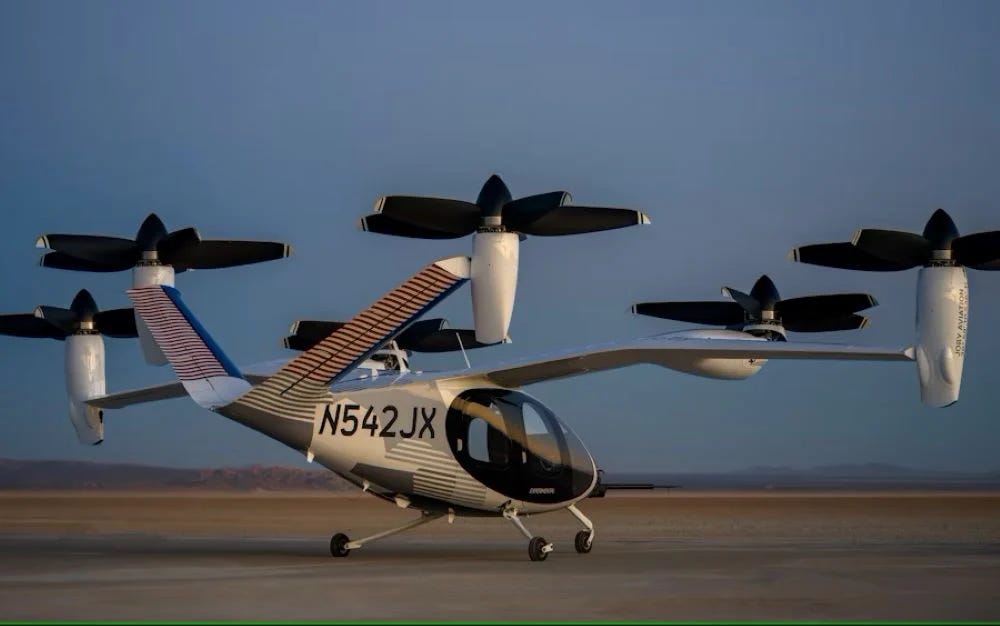
It hovers like a helicopter and flies like a plane. So it captures the best of both worlds: the vertical take-off capability of a helicopter plus the efficiency of an airplane.
Value Proposition
Joby’s niche is moving people or things quickly and quietly. For all the innovation and amazing engineering work the company has done over the years, that’s basically what it all boils down to.
Their advantages are:
Quieter than helicopters
Cheaper than helicopters
Safer than helicopters
Their disadvantages are:
Less range than helicopters
Less payload than helicopters
So Joby’s market fit is any application where helicopters are (or would be) useful, but don’t require a super long range or heavy payload capabilities.
And that’s the elevator pitch. You can stop right here if you’d like, but I’m gonna keep cooking anyways.
Noise
Helicopters had great potential for commuters in and around cities. But safety and noise levels made them unpalatable for residents underneath. In fact, the last rooftop landing in New York City was in 1977.
Joby hopes to fix these issues.
Joby has demonstrated to be much quieter than their helicopter counterparts.
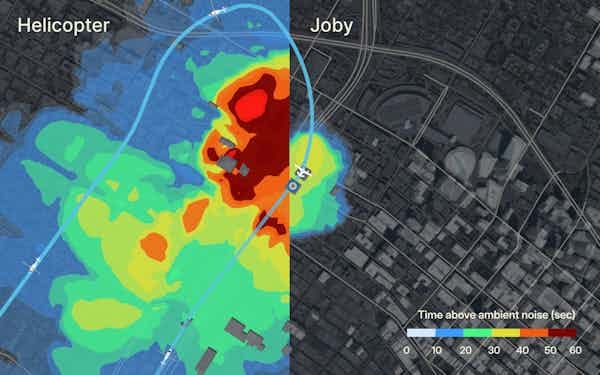
And if you want to hear it for yourself:
And,
Cost
eVTOLs also stand to bring travel costs down vs helicopters for the following reasons:
Electric motors require much less maintenance than their combustion engine counterparts.
Electricity is typically less expensive than jet fuel.
Tilt-rotors and a wing allows Joby to cruise like an airplane once in the air, which is much more efficient than sustained vertical lift required by helicopters.
If air taxis capture broad adoption, economies of scale will further bring down costs.
Their goal is to eventually make these services cheap enough for the masses, and not just a toy for the wealthy.
Safety
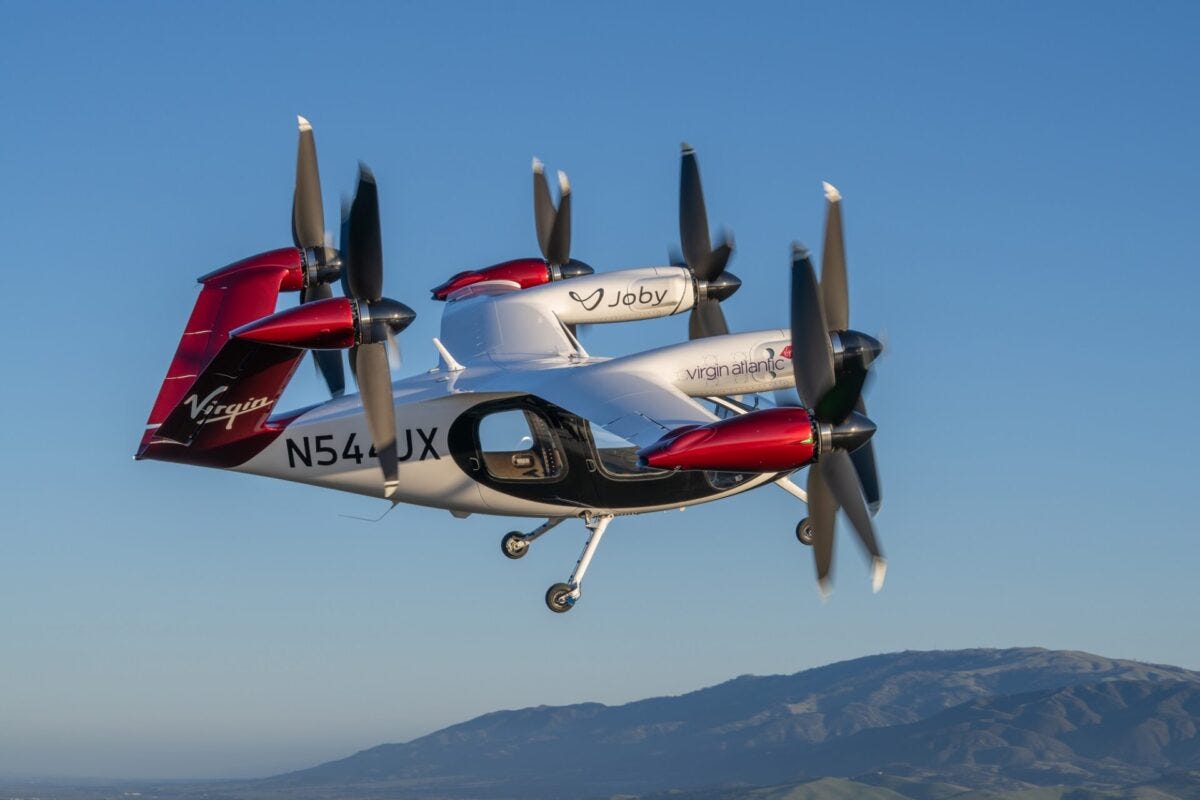
Joby’s aircraft configuration also offers safety advantages over helicopters. Primarily, by having 6 rotors, Joby has redundancy across nearly every failure mode. In contrast, if helicopters lose one of their rotors, they’re in trouble.
The implication is potentially turning this:
Into this:
Note that Joby’s failure injection testing was a controlled experiment. Joby did experience an unmanned crash in 2022 during envelope expansion testing. So there is some risk, here, to keep an eye on as the industry matures.
Product Market Fit
Basically air taxis.
As previously mentioned, Joby’s range (100 miles) and payload (1,000 lbs) are far inferior to helicopters. So they won’t be operating as heavy lift operators in any capacity. But Joby’s will be nimble in and around cities; a place that has a contentious history with helicopters.
Blade (recently purchased by Joby) offers helicopter taxi services in New York. Primary routes are typically between Manhattan helipads and surrounding airports. The goal is to take Joby’s S4 platform and slide directly into those operations, with the hope that their low noise profile will allow them to expand their operations beyond the limited number of flights currently offered today.
There are also several other partnerships around the world that are waiting for Joby to be ready to produce these aircraft and start air taxi services in their local markets. The UAE and Dubia, in particular, are looking to be some of the first early adopters of this new technology.
Other Business Segments
In addition to Joby’s primary aircraft platform (the S4) and their hopeful air taxi service (Blade), Joby also has other irons in the fire.
Defense (S4-T)
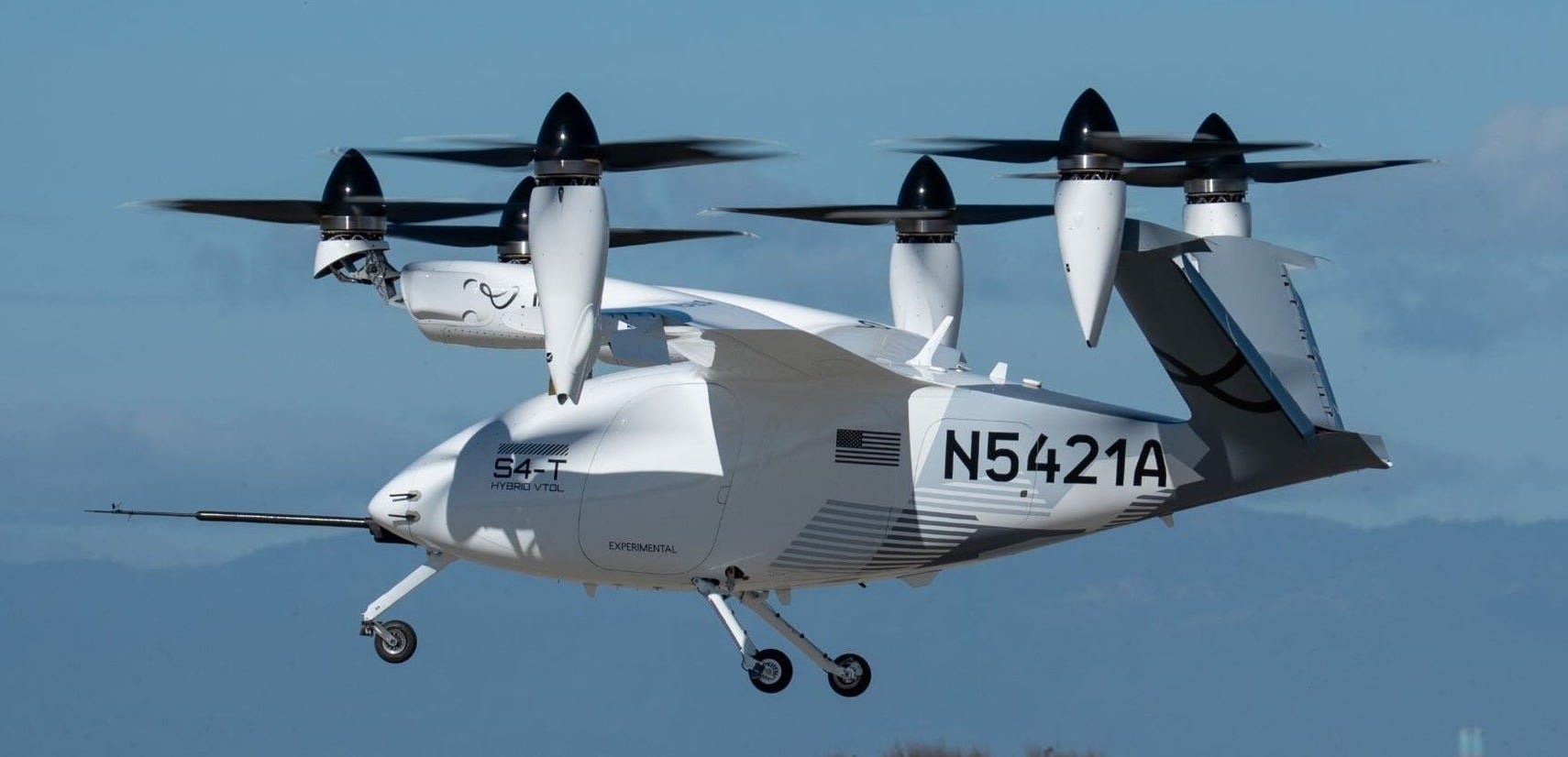
Joby has teamed up with L3 Harris to produce a hybrid and (potentially) autonomous version of their S4 aircraft for the defense department.
Making this aircraft hybrid, with a gas-turbine engine, also offers the potential to extend the range for their commercial aircraft in the future.
Autonomy (Xwing)
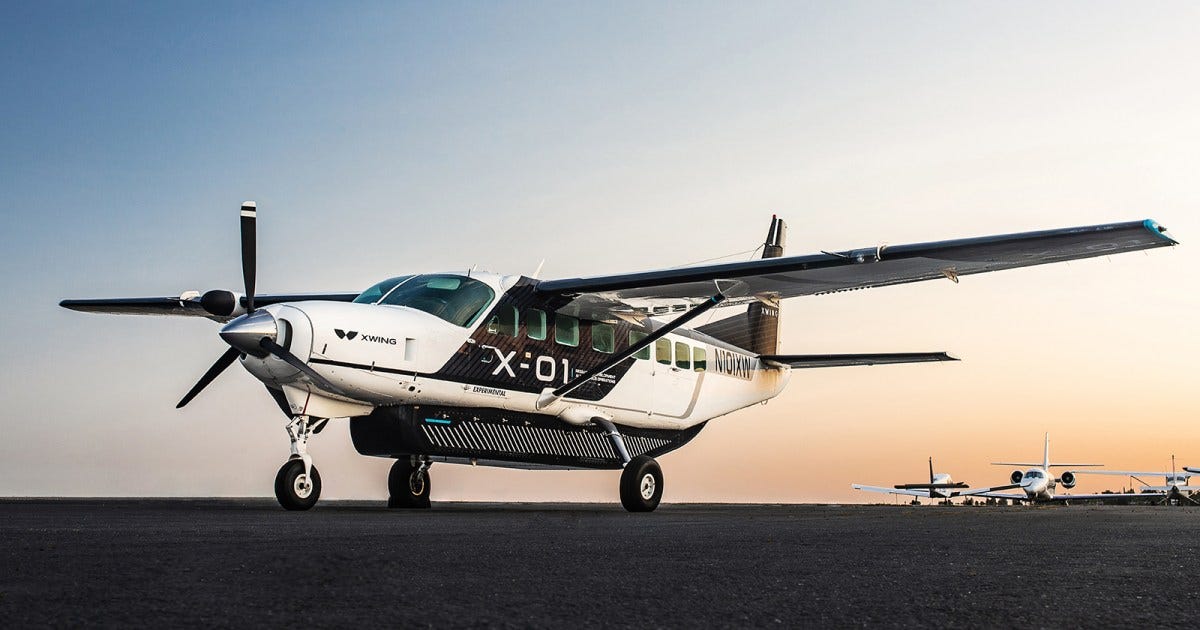
In 2024, Joby acquired Xwing - a company that specializes in “advanced autonomy systems for aviation and defense, making any aircraft capable of safe, uncrewed flight operations.”
Removing the pilot and some of the support staff would lower operating costs substantially, and as a result, would expand the addressable market for air taxi services.
In September of 2025, the Xwing subsidiary participated in autonomous exercises in partnership with the DoD and Air Force.
Hydrogen (H2Fly)
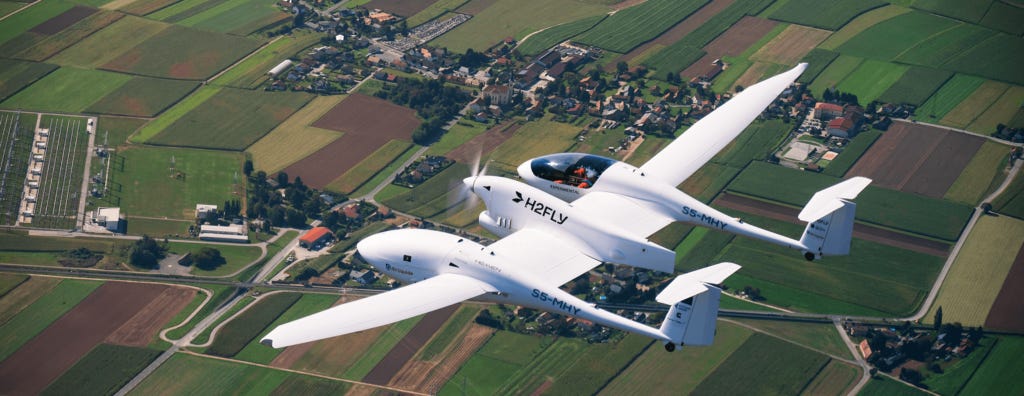
In addition to gas-turbine hybrid configurations, Joby is also pursuing hydrogen technologies. In 2023, Joby acquired H2Fly who develops hydrogen-electric powertrain systems for aviation.
In 2024, Joby retrofitted one of their S4 aircraft with H2Fly’s technology and completed a 523 mile flight - over 3 times farther than the base range of their battery powered craft.
This offers the potential for Joby to increase payload and range of their aircraft, which could open up other markets beyond just air taxi services.
In addition, it’s possible that Joby certifies these hybrid designs (both hydrogen and gas-turbine hybrid) for civilian use.
For more analysis on Joby, check out the Joby Table of Contents
To explore more companies that I’ve covered, check out the full Corporate Valuation Catalog